Anyone who has spent more than a few days in Peru outside a big international hotel chain knows that keeping food fresh is rarely as simple as it sounds. Furnished apartments in Lima, guesthouses in the Sacred Valley, and short-term rentals in Arequipa vary enormously in what they offer, and cooling equipment is often an afterthought for hosts who assume guests will eat at a nearby menu turístico or cevichería. For travelers trying to eat reasonably well and control costs over a longer trip, the gap between what a listing photo shows and what actually works in daily use can turn into a recurring source of wasted food and wasted money. This guide walks through why that gap matters in the Peruvian context specifically, what realistic storage looks like across different regions of the country, and how to decide when a real fridge is worth prioritizing when choosing where to stay.
Why Refrigeration Matters More Than It Seems on a Peru Trip
Cooling gets overlooked in trip planning because it rarely shows up as a line item the way flights or the next Cusco-to-Lima bus ticket does. Yet it shapes almost every meal decision a traveler makes in Peru, from how much fruit to buy at a mercado to whether last night's lomo saltado leftovers are worth keeping for lunch. Furnished short-term apartments in neighborhoods like Miraflores or Barranco are notorious for undersized fridges tucked under a counter, mini-bar-style units meant for a few drinks rather than groceries, or in some guesthouses no dedicated refrigeration at all beyond a shared kitchen down the hall. Hosts optimizing for square footage and furnishing budgets tend to treat cooling as a minor amenity rather than a functional necessity, which leaves the traveler improvising.
The financial side of this is easy to underestimate. Spoiled papaya, sour evaporated milk, and chicken that has to be thrown out because a unit could not hold a stable temperature all add up as a quiet, recurring cost, distinct from a single disappointing grocery trip. Someone staying two or three nights in Cusco before heading to Machu Picchu might absorb the occasional loss without noticing. Someone based in Lima for a month, or moving between Arequipa, the Sacred Valley, and the coast over several weeks, ends up paying that spoilage tax repeatedly, and it compounds with the cost of eating out more often simply because storing ingredients feels unreliable.
There is also a comfort dimension that goes beyond money. Reliable cooling affects medication storage at altitude, the ability to keep basic staples like queso fresco or eggs on hand between market trips, and the general sense of having a functioning base rather than a series of temporary camps. Treating refrigeration as a planning variable when booking a Peru stay, on par with checking whether a rental has reliable hot water or wifi, tends to reduce a surprising amount of daily friction.
What Cooling Actually Looks Like Across Peru's Regions
Peru's geography makes this more than a one-size-fits-all issue. Lima's coastal humidity and year-round mild-to-warm temperatures mean produce and dairy bought at a mercado like Surquillo can turn faster than travelers expect, especially without functioning refrigeration in an apartment. Cusco and the Sacred Valley sit at high altitude with noticeably cooler nights, which naturally slows spoilage somewhat and makes a weak fridge less of a crisis, though daytime warmth in the sun and the thin mountain air can still catch people off guard with how quickly bread goes stale or fruit softens. Arequipa and other coastal or lower-altitude towns tend to run warmer and drier, which shifts the risk back toward dairy and meat rather than produce.
Restaurants and mercados fill much of the gap for short stays. Menus turísticos, polleria chicken, and fresh ceviche eaten the same day it's prepared remove the storage question entirely, and for a trip of a few days this is often the simplest approach. The calculation changes once someone is cooking regularly, whether to save money over a longer stay or simply to eat lighter than restaurant portions allow. At that point, whether the rental has a real fridge or a token mini-bar unit stops being a minor detail and starts shaping the daily routine, since a unit that cannot hold a stable cold temperature undermines even careful shopping habits. Larger tourist hotels usually have this sorted with a full-size unit or at least a dependable mini-fridge, while independently run apartments and guesthouses are the ones where checking in advance actually pays off.
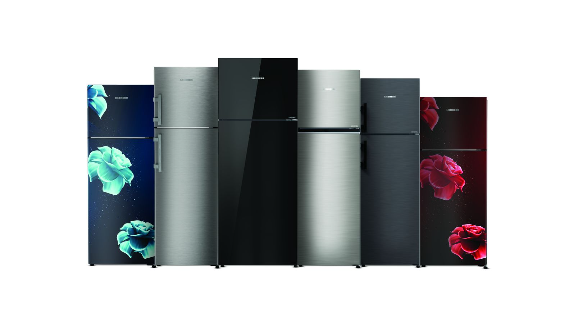
Compact household fridges built for small kitchens are a different category from hotel mini-bars, and some longer-term renters furnishing an apartment in Lima look at general household refrigeration lines rather than settling for whatever came with the unit. Someone comparing a compact Fridge for a small rented kitchen will typically see these listed as standard compressor models, distinct from the smaller thermoelectric mini-bars found in many short-stay rentals, since the two are built for different jobs rather than being interchangeable. A model with a separate, slightly colder produce compartment can noticeably extend how long fruit and vegetables from a mercado stay usable between shopping trips, which matters more in Lima's humidity than it does in Cusco's cooler evenings.
Choosing Where to Stay With Food Storage in Mind
For a trip built around a handful of cities and a couple of weeks total, the fridge question rarely needs much attention beyond glancing at listing photos and asking a host a direct question if anything looks like a mini-bar rather than a kitchen appliance. Restaurants, mercados, and the occasional insulated bag for a day of bus travel between cities cover most needs without requiring any equipment decisions at all.
The calculation shifts for anyone settling into one city, most commonly Lima, for a month or longer while working remotely or simply slow-traveling. At that point it becomes worth treating a working fridge as a real filter when choosing an apartment, the same way reliable internet or a quiet street might factor into the decision, rather than assuming any furnished listing will have adequate cooling. Reading recent reviews for mentions of a "small fridge" or "no real kitchen," and asking a host directly whether the unit is a full compressor fridge or a mini-bar, avoids the common surprise of arriving to find a unit that cannot keep milk cold through an afternoon.
Travelers on very long stays who end up renting an unfurnished or under-equipped apartment sometimes consider buying a small secondhand appliance locally rather than living with an inadequate one, but this only tends to make sense past the point where repeated grocery losses and takeout costs clearly outweigh the hassle of a purchase and eventual resale or handoff to the next tenant. For the large majority of trips through Peru, whether a two-week itinerary or a couple of months split across Lima, Cusco, and Arequipa, the more practical move is simply factoring fridge quality into where you book rather than acquiring equipment of your own.
Practical Tips for Managing Food in Peru
A few habits make a bigger difference than the equipment itself. Organizing whatever cooling space is available by how quickly items spoil, keeping dairy and meat toward the coldest section and hardier items like potatoes or onions near the door, extends usable time regardless of unit size. Buying smaller, more frequent amounts at a mercado rather than stocking up for a week also reduces the risk of loss when a unit turns out to be less reliable than expected, which is common in unfamiliar rentals.
Checking a rental's cooling setup before arrival, by asking a host directly rather than assuming from listing photos, avoids the common surprise of finding a mini-bar-sized unit instead of a real fridge. This matters more in Lima and Arequipa's warmer conditions than in Cusco's cooler nights, though altitude towns are not immune once the midday sun heats up a poorly insulated kitchen. For anyone carrying medication that needs consistent cooling, especially relevant given how much time travelers spend moving between altitudes in Peru, a small standalone thermometer inside the fridge is a low-cost way to confirm the actual temperature rather than trusting a dial that may not reflect reality after months of use.
Frequently Asked Questions
Do Peruvian hotels and rentals generally have reliable fridges?
Larger tourist hotels in cities like Lima, Cusco, and Arequipa typically have dependable refrigeration, whether a full-size unit or at least a properly functioning mini-fridge. Independently run guesthouses and furnished short-term apartments vary much more, and it's worth checking reviews or asking directly before assuming a listing's kitchen photo reflects what's actually usable.
Does altitude in Cusco or the Sacred Valley change how food storage works?
Cooler nighttime temperatures at altitude slow spoilage somewhat compared to Lima's coastal humidity, which takes some pressure off a weak fridge. That said, direct sun during the day can still warm up a poorly insulated kitchen quickly, so it isn't a substitute for functioning refrigeration if you're cooking regularly.
Is it worth eating out for every meal instead of dealing with food storage?
For a short trip, relying on mercados, menus turísticos, and restaurants is usually simpler than worrying about a rental's fridge at all. Once a stay stretches toward a month or longer, or budget becomes a bigger factor, cooking with reliably stored groceries typically becomes more practical than eating every meal out.